Memphis Landscaper: Professional Lawn Care Specialists for Homes
Reimagine Your Outdoor Setting: Certified Landscaping Services Personalized for Your Home
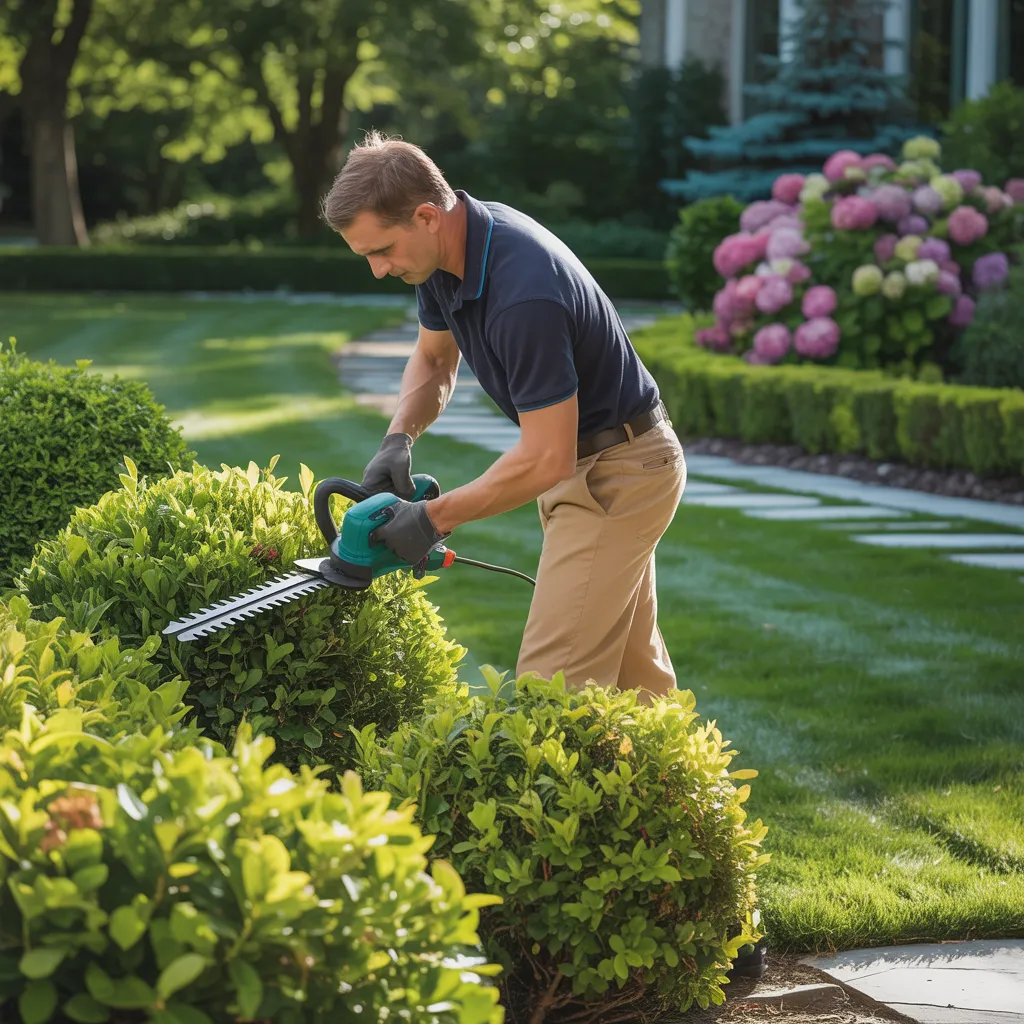
Improving an outdoor space can greatly change a home’s overall appeal and practical use. Expert landscaping services offer specialized knowledge in design, plant selection, and sustainable practices. These professionals can combine modern trends and hardscaping features to design a custom environment. However, the process includes more than visual appeal. Understanding the full scope of benefits and considerations can result in a more informed decision. What should homeowners focus on when starting this journey?
Primary Advantages of Employing Skilled Landscapers
When copyrightining yard improvements, many property owners find that engaging professional landscapers provides significant benefits. These professionals bring a abundance of knowledge and experience that can transform a yard into a harmonious, aesthetically pleasing space. First, they possess a deep understanding of local climate and earth composition, allowing them to identify the most suitable vegetation and resources. This ensures longevity and strength in the landscape design.
Additionally, certified landscapers can precisely implement complex designs that might overwhelm an inexperienced homeowner. They have access to professional tools and equipment, which can reduce workload and decrease injury risk. Furthermore, they can provide crucial insights on sustainable practices and maintenance, guiding homeowners establish environmentally friendly spaces. Ultimately, by investing in professional landscaping services, homeowners can enhance property value and establish outdoor areas that reveal their personal style while promising functional and sustainable designs.
Trending Landscaping Concepts You Should to Know
As landscaping evolves, key directions are rising in favor among owners and practitioners alike. Sustainable landscape practices, vertical gardening solutions, and the use of native plants are revolutionizing outdoor spaces while strengthening environmental health. Comprehending these sought-after trends can ignite forward-thinking designs and amplify the character of any landscape.
Green Landscape Methods
Sustainable landscaping practices have recently gained considerable traction, reflecting heightened awareness of ecological matters. Homeowners are increasingly choosing sustainable designs that minimize water use and foster biodiversity. Native plants require less care and offer habitats for local fauna. Using permeable paving materials also reduces runoff and supports groundwater recharge. Rain gardens serve as a popular option, capturing stormwater and filtering pollutants. Composting organic waste to use as mulch enriches soil and cuts down landfill contributions. Moreover, adopting sustainable irrigation methods such as drip irrigation conserves water while sustaining vibrant landscapes. Collectively, these practices improve outdoor aesthetics and contribute beneficially to the environment, aligned with modern ecological principles.
Vertical Garden Systems
The rise of green gardening approaches has established the way for innovative design solutions, including vertical gardening. This practice enables homeowners to maximize limited space, reshaping walls and fences into lush green canvases. Vertical gardens not only uplift aesthetic appeal but also contribute to improved air quality and biodiversity. With multiple choices available, such as modular panels and hydroponic setups, homeowners can choose options that correspond with their specific needs and environmental conditions. These gardens can contain a wide range of plants, from ornamental flowers to edible herbs, making them versatile and functional. As urban living continues to develop, vertical gardening emerges as a practical trend that integrates beauty with sustainability, creating a greener, more vibrant outdoor space.
Native Plants Determination
A mounting number of homeowners are embracing native plant selections as a significant development in garden design. This technique emphasizes utilizing plants that are indigenous to the regional surroundings, encouraging biodiversity and sustainability. Native plants require reduced water and minimal care, making them a sensible option for eco-conscious homeowners. In addition, they draw local animals, such as pollinating creatures and birds, improving the ecological system. Experts suggest studying regional flora to pick species that thrive in certain circumstances, ensuring a dynamic and resilient outdoor setting. By incorporating native plants, homeowners can create attractive outdoor spaces that reflect their local heritage while supporting environmental preservation. This trend not only enhances aesthetics but also fosters a stronger connection with the natural world.
Integrating Current Designs Into Your Outdoor Area
Adding today's trends to landscape design can boost both visual quality and functionality. Green landscaping approaches focus on environmental health, while current hardscape solutions deliver advanced alternatives for outdoor spaces. Together, these approaches create beautiful and sustainable designs that connect with contemporary values.
Sustainable Garden Practices
How can homeowners develop outdoor spaces that are both beautiful and environmentally responsible? Green landscaping practices provide a persuasive solution. By choosing native plants, homeowners can cut water usage and support local biodiversity. Incorporating natural gardening techniques minimizes chemical inputs, supporting healthier ecosystems. Rain gardens and permeable paving can manage stormwater runoff, increasing both functionality and aesthetics. Utilizing compost and mulching enriches soil health while reducing waste. Additionally, integrating efficient irrigation systems conserves water while ensuring plant health. Homeowners can also embrace xeriscaping to design eye-catching landscapes that thrive in arid conditions. These practices not only boost the beauty of outdoor spaces but also contribute positively to the environment, reflecting a commitment to sustainability in landscaping design.
Present-day Hardscaping Solutions
What characteristics characterize modern hardscaping in contemporary outdoor design? This approach highlights clean lines, geometric shapes, and a blend of materials that establish functional outdoor spaces. Key features often include concrete pavers, natural stone, and wood elements, which are used to craft patios, walkways, and retaining walls. Additionally, modern hardscaping seamlessly integrates outdoor living spaces, such as fire pits and outdoor kitchens, into the landscape. Water features, like minimalist ponds or fountains, further elevate the aesthetic while promoting tranquility. The use of sustainable materials and permeable surfaces exemplifies a growing trend towards eco-friendliness. Ultimately, modern hardscaping emphasizes both form and function, creating inviting environments that harmonize with nature and elevate outdoor experiences.
Picking the Most Suitable Landscaping Solutions
It is also crucial to verify credentials, including certifications and coverage, to ensure adherence with local regulations. Clients should look for providers that provide tailored services designed for their particular requirements and wants. Engaging in a comprehensive discussion allows for open dialogue of ideas and expectations.
Finally, obtaining comprehensive estimates from multiple providers can help in making informed financial decisions. By carefully evaluating these aspects, homeowners can choose outdoor design services that not only fulfill their goals but also increase the total worth of their home.
Easy Upkeep Suggestions for Your Backyard Oasis
Building a stunning outdoor paradise requires regular maintenance, but setting up a few simple strategies can make the process hassle-free. Regularly scheduled duties, such as watering in the early morning or late in the evening, help conserve moisture and prevent evaporation. Spreading mulch around plants not only retains soil moisture but also keeps down weeds, minimizing the need for constant attention.
Planting native species can significantly reduce upkeep requirements, as they are suited for local conditions and require less irrigation and attention. Establishing a schedule for trimming and removing spent blooms ensures plants stay vibrant and attractive.
Finally, putting money into a reliable watering setup can save time and ensure uniform moisture levels. By adhering to these simple maintenance tips, homeowners can appreciate their outdoor oasis while keeping it lively and welcoming without excessive effort.
Calculating Your Landscaping Expenses
Estimating garden design costs can be a crucial step in enhancing an outdoor space. Homeowners should first evaluate their specific needs and goals, which can differ greatly depending on the chosen features such as flower beds, patios, or water features. Next, obtaining multiple quotes from reliable landscaping professionals is essential; this guarantees a reasonable budget while allowing for evaluations between services provided.
Raw materials, labor, and design difficulty significantly determine overall costs. For copyrightple, premium plants and hardscaping materials can raise expenses, while simpler jump in designs may keep costs controlled. Additionally, ongoing service costs should not be disregarded, as they can impact long-term budgeting.
Finally, it is smart to reserve a emergency reserve for unexpected expenses that may arise during the project. By precisely calculating costs and planning accordingly, homeowners can attain their ideal backyard without financial strain.
Often Requested Questions
What Timeframe is Required for a Regular Landscaping Undertaking to be Completed?
A typical landscaping project generally takes between one week to several months to complete, based on the project's scale and intricacy. Elements such as weather, design complexities, and material availability can also influence the timeline.
Will Grounds Maintenance Services Support With Drainage Issues?
Yes, yard improvement services can effectively address drainage issues. Professionals review the property grounds, implement solutions like terrain grading, water systems, and ideal plant selection, ensuring water flows adequately and reduces erosion or water flooding in exterior landscapes.
What Do I Need Consider Before Contracting a Landscaper?
In advance of hiring a landscaper, you should consider their budget, the landscaper's experience, portfolio, references, design style, timelines, and understanding of local regulations. Clear communication of expectations will guarantee a prosperous landscaping project.
Are there eco-friendly landscaping choices available?
Yes, environmentally conscious landscaping options are accessible. These comprise native plants, xeriscaping, natural soil amendments, rain gardens, and porous surface materials, all aimed at promoting sustainability while enhancing aesthetic appeal and benefiting local fauna and natural habitats.
How Often Should I Schedule Maintenance for My Landscaping?
Routine care for landscaping should be planned every four to six weeks during the growing season. This guarantees excellent health and visual quality, allowing plants to prosper while stopping excessive growth and maintaining overall landscape appeal.